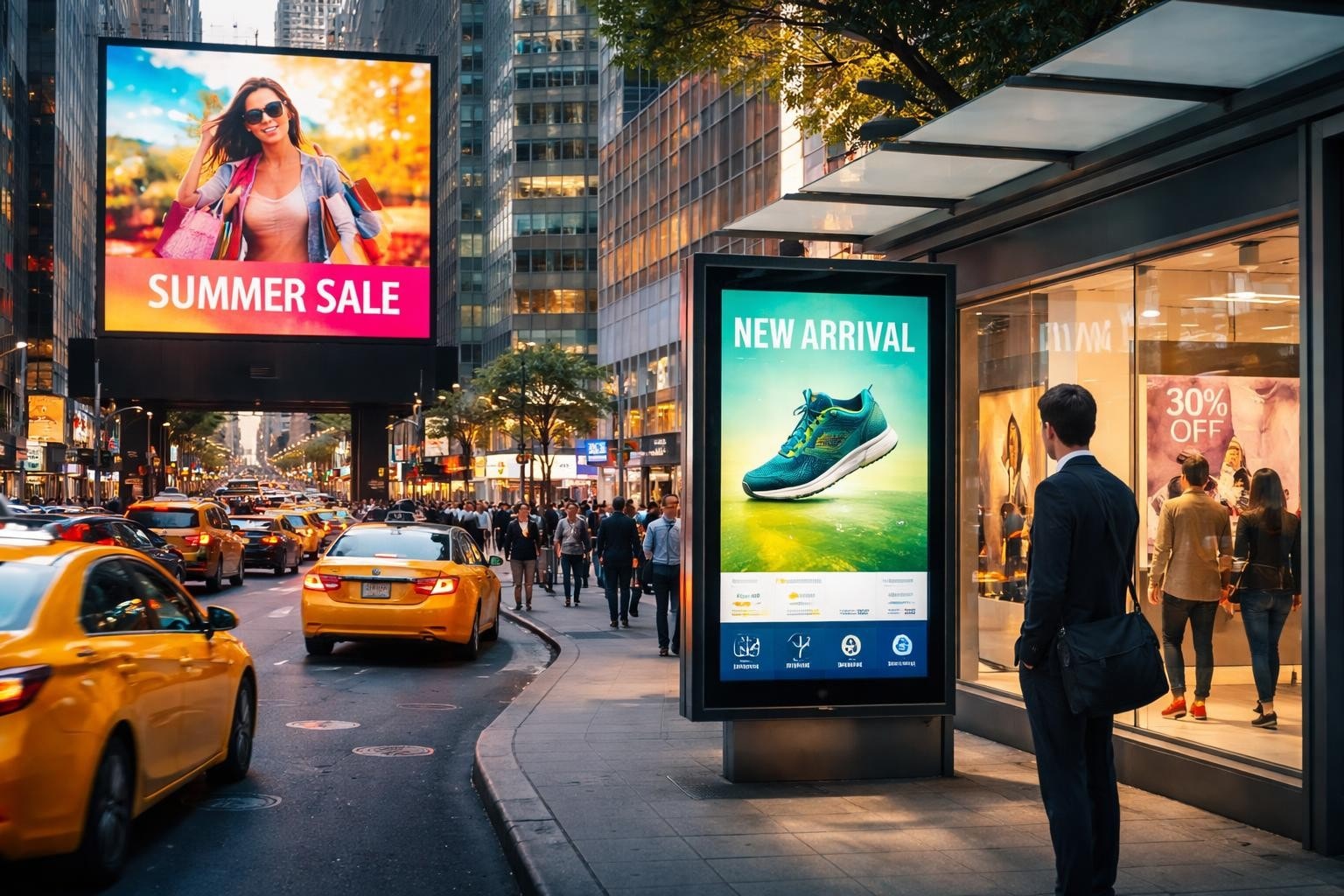
Digital out-of-home (DOOH) marketing represents a significant evolution in how brands connect with consumers outside their homes. This powerful advertising medium combines the broad reach of traditional billboards and transit advertising with the precision and flexibility of digital technology. As we navigate through 2026, DOOH marketing has become an essential component of comprehensive marketing strategies, offering real-time content updates, dynamic creative optimization, and measurable results that traditional outdoor advertising could never deliver. For businesses looking to expand their digital presence beyond screens at home or work, understanding and leveraging DOOH marketing provides unprecedented opportunities to engage audiences in contextually relevant moments.
Understanding the DOOH Marketing Landscape
DOOH marketing encompasses digital displays located in public spaces where consumers spend time outside their homes and workplaces. These include digital billboards along highways, screens in shopping malls, transit stations, airports, and even grocery stores. Unlike static outdoor advertising, DOOH advertising combines traditional placements with digital technology to deliver dynamic content that can change based on time of day, weather conditions, or real-time data feeds.
The core advantage of DOOH marketing lies in its flexibility and responsiveness. Brands can update messaging instantly, test different creative approaches across locations, and optimize campaigns based on performance metrics. This agility transforms outdoor advertising from a static, set-it-and-forget-it channel into a dynamic, responsive component of integrated marketing campaigns.
Key Components of DOOH Advertising
According to the Interactive Advertising Bureau’s comprehensive definition, DOOH encompasses several distinct elements:
- Programmatic buying capabilities that enable automated, data-driven media purchases
- Real-time content delivery allowing for dynamic creative optimization
- Audience measurement through mobile device data and computer vision technology
- Geo-targeting capabilities to reach specific audiences in precise locations
- Integration with broader digital campaigns for cohesive omnichannel strategies
These components work together to create advertising experiences that are more relevant, timely, and measurable than traditional outdoor advertising ever could be.
Strategic Advantages of DOOH Marketing Campaigns
DOOH marketing delivers multiple strategic benefits that make it particularly valuable in 2026's competitive advertising landscape. The medium's ability to reach consumers during their daily routines creates touchpoints that complement digital strategies including email campaigns, social media advertising, and AI-powered automation solutions.
Brand awareness and visibility remain primary strengths of DOOH marketing. Large-format displays in high-traffic areas generate millions of impressions, building brand recognition among broad audiences. However, modern DOOH goes beyond simple visibility. The medium now offers sophisticated targeting capabilities that allow brands to reach specific demographic groups based on location, time, and behavioral data.
Measurability and Attribution
One significant evolution in DOOH marketing involves enhanced measurement capabilities. Modern platforms provide detailed analytics including:
| Metric Type | What It Measures | Business Value |
|---|---|---|
| Impressions | Total audience exposure | Campaign reach understanding |
| Dwell Time | How long people view screens | Engagement level assessment |
| Foot Traffic Lift | Store visits after exposure | Direct conversion impact |
| Brand Lift | Changes in brand perception | Awareness and consideration impact |
| Attribution | Sales connected to campaigns | ROI calculation and optimization |
These metrics enable marketers to evaluate DOOH marketing effectiveness with precision comparable to digital channels, addressing one of the traditional limitations of outdoor advertising.
Implementing Successful DOOH Marketing Strategies
Success in DOOH marketing requires strategic planning and execution across multiple dimensions. MarketingProfs identifies three essential quality rules that drive campaign performance: prioritizing high-quality inventory, implementing precise targeting, and establishing robust measurement frameworks.
Selecting Optimal Locations and Inventory
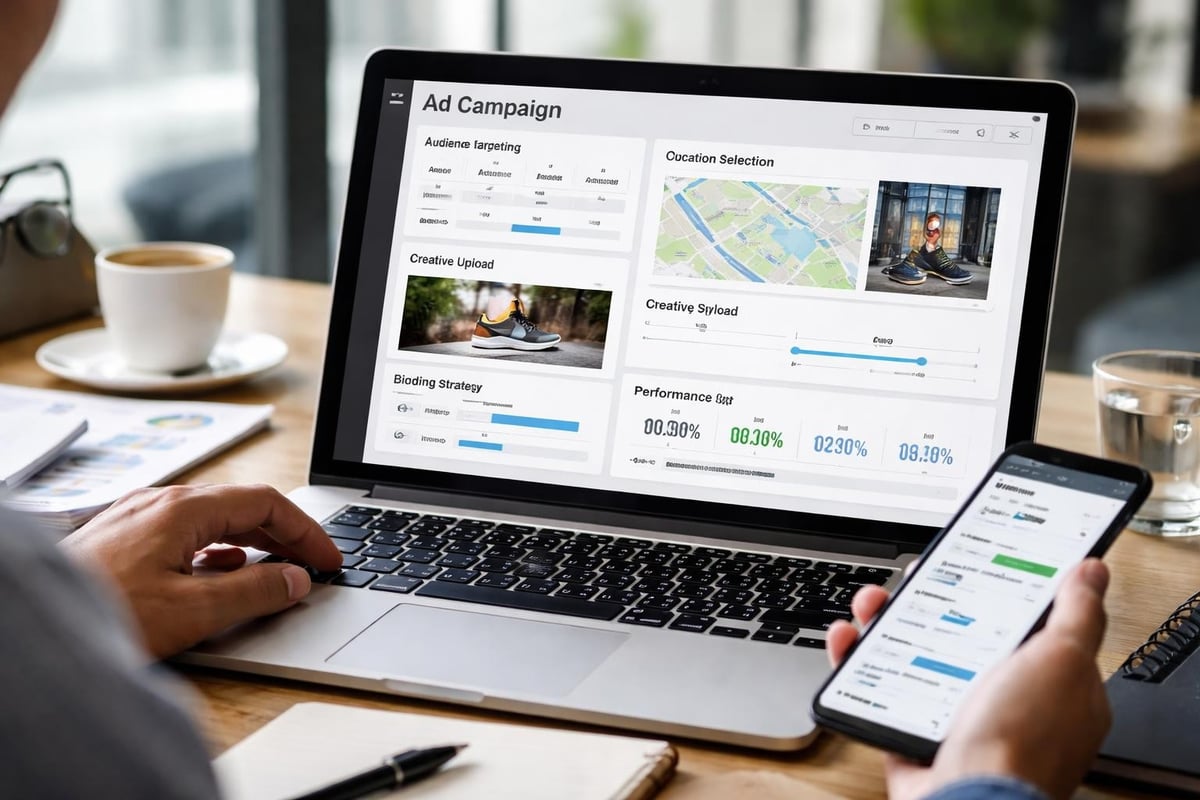
Location selection fundamentally impacts DOOH marketing campaign performance. Brands must consider both audience reach and contextual relevance when choosing placements. A financial services company might prioritize screens in business districts and airports, while a consumer packaged goods brand might focus on retail environments and transit stations.
Quality inventory extends beyond location to include screen specifications, viewing angles, and ambient conditions. Premium placements offer superior visibility, longer dwell times, and more engaged audiences. While these placements command higher prices, they often deliver better return on investment through stronger performance metrics.
Creative Optimization for Digital Displays
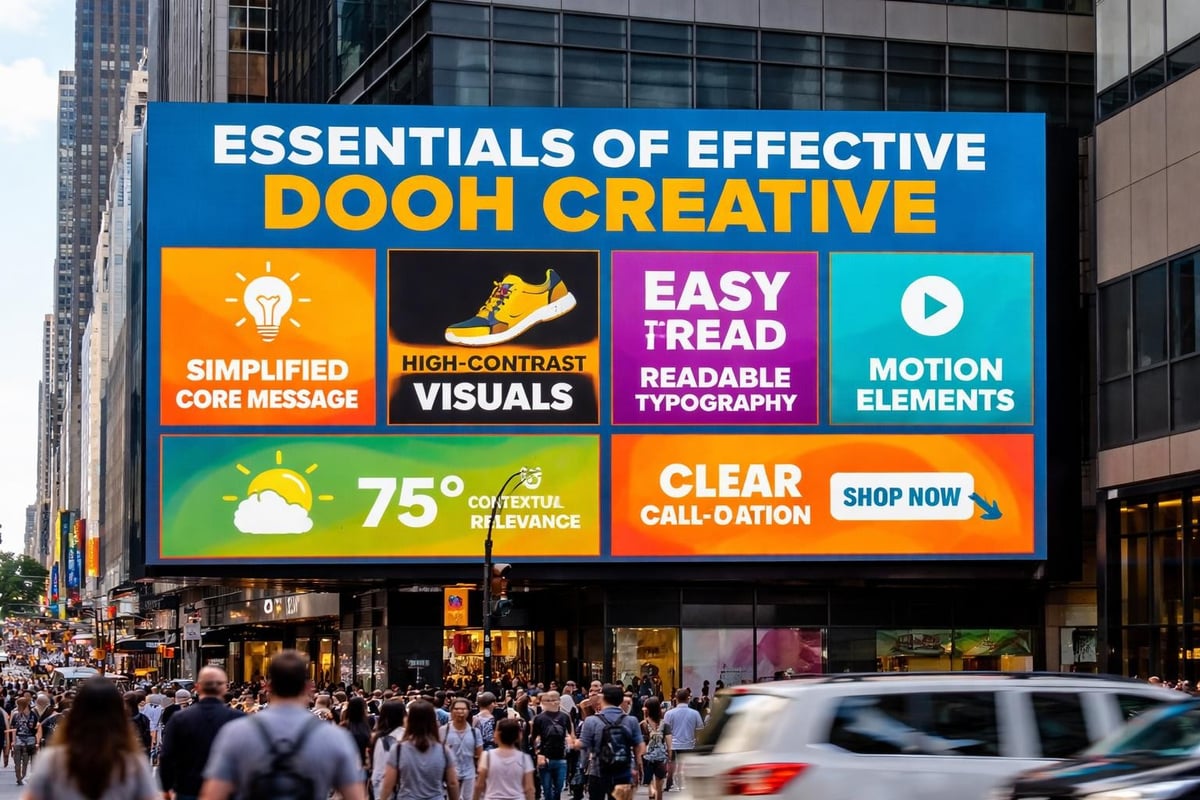
DOOH marketing creative requires different approaches than traditional digital advertising. Successful campaigns follow these principles:
- Simplify messaging to communicate key points within 3-5 seconds
- Use bold visuals that capture attention from a distance
- Incorporate motion strategically to draw eyes without overwhelming
- Adapt to context with content relevant to location and audience
- Test variations across locations to identify top performers
- Leverage dynamic content that responds to real-time triggers
The integration of AI in digital marketing enables sophisticated creative optimization for DOOH campaigns, automatically adjusting messaging based on performance data and environmental factors.
Integrating DOOH Marketing with Omnichannel Campaigns
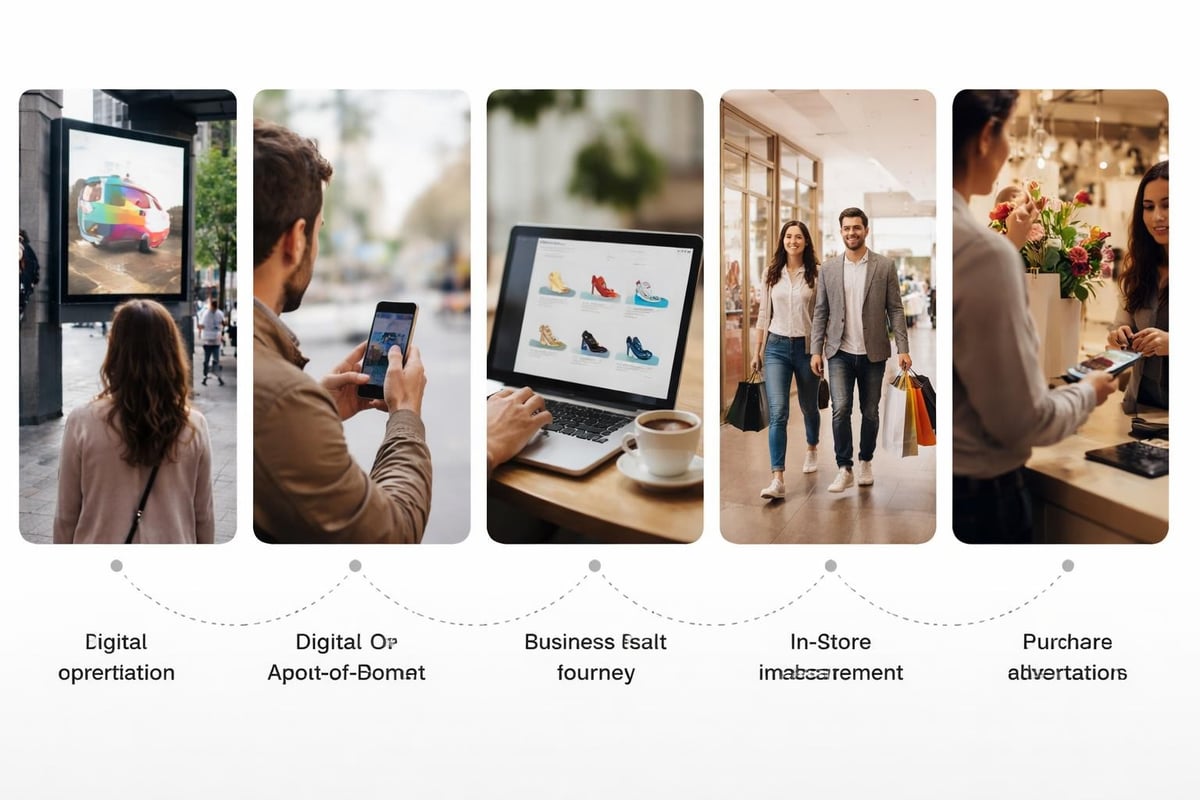
The true power of DOOH marketing emerges when integrated into comprehensive omnichannel strategies. Common misconceptions about DOOH suggest it operates in isolation, but modern campaigns achieve maximum impact through coordinated execution across multiple touchpoints.
Consider a retail campaign that uses DOOH marketing to build awareness in specific geographic markets, followed by targeted social media advertising to people who pass by those displays, reinforced with email campaigns to existing customers in those areas. This layered approach creates multiple exposures through different channels, significantly improving conversion rates.
Data Integration and Audience Targeting
Advanced DOOH marketing platforms integrate with first-party data, demographic information, and behavioral insights to enable precise audience targeting. Marketers can activate campaigns that reach specific audience segments based on:
- Location patterns showing where target audiences spend time
- Time-based behaviors indicating when audiences are most receptive
- Demographic characteristics aligned with customer profiles
- Purchase intent signals from mobile device data
- Weather conditions that influence product needs or moods
This targeting capability transforms DOOH marketing from a mass-reach medium into a precision tool that complements other digital marketing services within integrated campaign strategies.
Budget Considerations and ROI Optimization
DOOH marketing investments vary significantly based on market size, location quality, campaign duration, and creative complexity. In major metropolitan areas, premium digital billboard placements might cost several thousand dollars per day, while screens in smaller markets or less prominent locations offer more accessible entry points.
Cost Structure Analysis
| Cost Component | Typical Range | Optimization Strategies |
|---|---|---|
| Media Placement | $500-$15,000/screen/month | Start with smaller markets, test performance |
| Creative Production | $2,000-$25,000 | Repurpose existing assets, use templates |
| Programmatic Fees | 15-30% of media spend | Direct partnerships for larger budgets |
| Analytics Platform | $500-$5,000/month | Bundle with media buys when possible |
| Campaign Management | 10-20% of total budget | In-house management for ongoing campaigns |
Understanding how DOOH fits into marketing budgets helps businesses allocate resources effectively. Many successful DOOH marketing campaigns start with focused tests in specific markets or locations, then scale based on performance data.
Calculating Return on Investment
DOOH marketing ROI calculation requires connecting exposure to business outcomes. Advanced attribution models track:
- Direct response metrics such as website visits from QR codes or custom URLs
- Foot traffic increases measured through mobile location data
- Sales lift in markets with active campaigns versus control markets
- Brand metric improvements including awareness, consideration, and preference
- Cost per acquisition compared to other marketing channels
Businesses that implement robust measurement frameworks typically see clearer ROI pictures and can optimize DOOH marketing investments with confidence.
Emerging Trends Shaping DOOH Marketing in 2026
The DOOH marketing landscape continues evolving with technological advances and changing consumer behaviors. Several trends are reshaping how brands approach this channel in 2026.
Programmatic DOOH has matured significantly, with automated buying platforms now controlling the majority of digital out-of-home inventory. This shift enables real-time bidding, dynamic creative optimization, and sophisticated audience targeting at scale. Brands can launch campaigns across hundreds of screens with the same ease they buy digital display advertising.
Interactive capabilities are expanding through QR codes, NFC technology, and mobile integration. Modern DOOH marketing campaigns frequently incorporate calls-to-action that bridge the gap between passive viewing and active engagement. Consumers can scan codes to access exclusive content, participate in contests, or receive personalized offers delivered directly to their devices.
Privacy-Compliant Audience Measurement
As data privacy regulations continue tightening, DOOH marketing measurement has adapted with privacy-compliant methodologies. Rather than tracking individual consumers, modern platforms use aggregated, anonymized data to understand audience patterns and campaign impact. This approach maintains consumer privacy while still delivering the insights marketers need to optimize campaigns.
The BrandXR guide to DOOH marketing explores these trends in detail, providing frameworks for brands to stay ahead of industry evolution.
Industry-Specific Applications and Success Stories
Different industries leverage DOOH marketing in unique ways that align with their specific objectives and customer journeys. Understanding these applications helps businesses identify opportunities within their own markets.
Retail and Consumer Goods
Retailers use DOOH marketing to drive foot traffic during specific promotional periods, showcase new products, and reinforce brand positioning. Screens located near stores can deliver timely messages about current sales, while regional campaigns build awareness for new locations or major events.
Consumer packaged goods brands leverage DOOH marketing in retail environments, particularly grocery stores and convenience stores. Digital out-of-home advertising in retail settings reaches consumers at critical decision points, influencing purchase behavior when shoppers are actively considering products.
Entertainment and Events
The entertainment industry relies heavily on DOOH marketing to promote movies, concerts, sporting events, and streaming content. The visual nature of entertainment products aligns perfectly with large-format displays, while geographic targeting ensures campaigns reach markets where events are occurring or content is available.
Time-sensitive campaigns benefit particularly from DOOH marketing's ability to update messaging quickly. As release dates approach or tickets become available, creative can shift to emphasize urgency and availability.
Professional Services and B2B
While DOOH marketing is often associated with consumer brands, business-to-business companies increasingly recognize its value for reaching decision-makers. Strategic placements in airports, business districts, and conference centers target professionals during their daily routines.
Professional services firms use DOOH marketing to build brand recognition and credibility within specific markets, supporting longer-term lead generation efforts through sustained visibility among target audiences.
Technical Infrastructure and Platform Selection
Successful DOOH marketing requires choosing the right technology platforms and partners. The marketplace includes specialized DOOH networks, programmatic buying platforms, and full-service providers offering end-to-end campaign management.
Evaluating DOOH Platform Capabilities
When selecting platforms, consider these essential features:
- Inventory access across desired locations and screen types
- Programmatic capabilities for automated buying and optimization
- Creative management tools supporting dynamic content and A/B testing
- Measurement and attribution providing actionable performance insights
- Integration options connecting with existing marketing technology stacks
- Support and service offering strategic guidance beyond platform access
Many businesses benefit from working with agencies or consultants who understand DOOH marketing nuances and can navigate the complex ecosystem of providers, technologies, and best practices.
Common Challenges and Solutions
Despite its advantages, DOOH marketing presents challenges that require proactive management. Addressing common misconceptions helps set realistic expectations and develop effective strategies.
Creative Production Constraints
Unlike digital channels where creative iterations are simple and inexpensive, DOOH marketing creative requires consideration of screen specifications, viewing distances, and environmental factors. The solution involves developing flexible creative frameworks that adapt to various formats while maintaining brand consistency.
Production tips for efficiency:
- Create master templates adaptable to multiple screen sizes
- Maintain libraries of approved visual assets for quick deployment
- Work with designers experienced in DOOH specifications
- Build modular creative components that can be recombined
- Test creative on actual screens before full campaign launch
Measurement Standardization
While DOOH marketing measurement has advanced significantly, standardization across platforms and providers remains incomplete. Different vendors may calculate impressions, viewability, and attribution differently, complicating campaign comparison and optimization.
Businesses should establish clear measurement standards at campaign outset, ensuring all partners align on definitions and methodologies. Working with industry-standard measurement providers helps maintain consistency across campaigns and over time.
Future Outlook for DOOH Marketing
The trajectory for DOOH marketing points toward continued growth and innovation through 2026 and beyond. As digital technologies reshape traditional advertising, DOOH stands at the intersection of physical presence and digital precision.
Artificial intelligence will play an increasingly significant role in DOOH marketing optimization. Machine learning algorithms will analyze performance patterns, predict optimal creative variations, and automate bidding strategies with minimal human intervention. This evolution mirrors the broader integration of AI across marketing disciplines.
Extended reality integration may blur boundaries between physical and digital environments. DOOH marketing could incorporate augmented reality elements that consumers access through their mobile devices, creating immersive brand experiences that extend beyond the screen itself.
Sustainability considerations will influence both DOOH infrastructure and campaign strategies. Energy-efficient displays, solar-powered screens, and environmentally conscious messaging will become competitive advantages as consumers increasingly value corporate environmental responsibility.
The channel's ability to deliver measurable results, reach audiences in contextually relevant moments, and integrate seamlessly with digital campaigns ensures DOOH marketing will remain a vital component of comprehensive marketing strategies for years to come.
DOOH marketing represents a powerful evolution in how brands connect with audiences outside digital and traditional home environments, combining broad reach with precision targeting and measurable results. As advertising continues shifting toward integrated, data-driven approaches, understanding and leveraging DOOH capabilities becomes increasingly important for businesses seeking comprehensive market coverage. Synergy Digital Solutions helps businesses navigate the complete digital marketing landscape, integrating DOOH strategies with targeted campaigns, social media engagement, and AI-powered automations to create cohesive marketing programs that drive measurable growth across all channels.