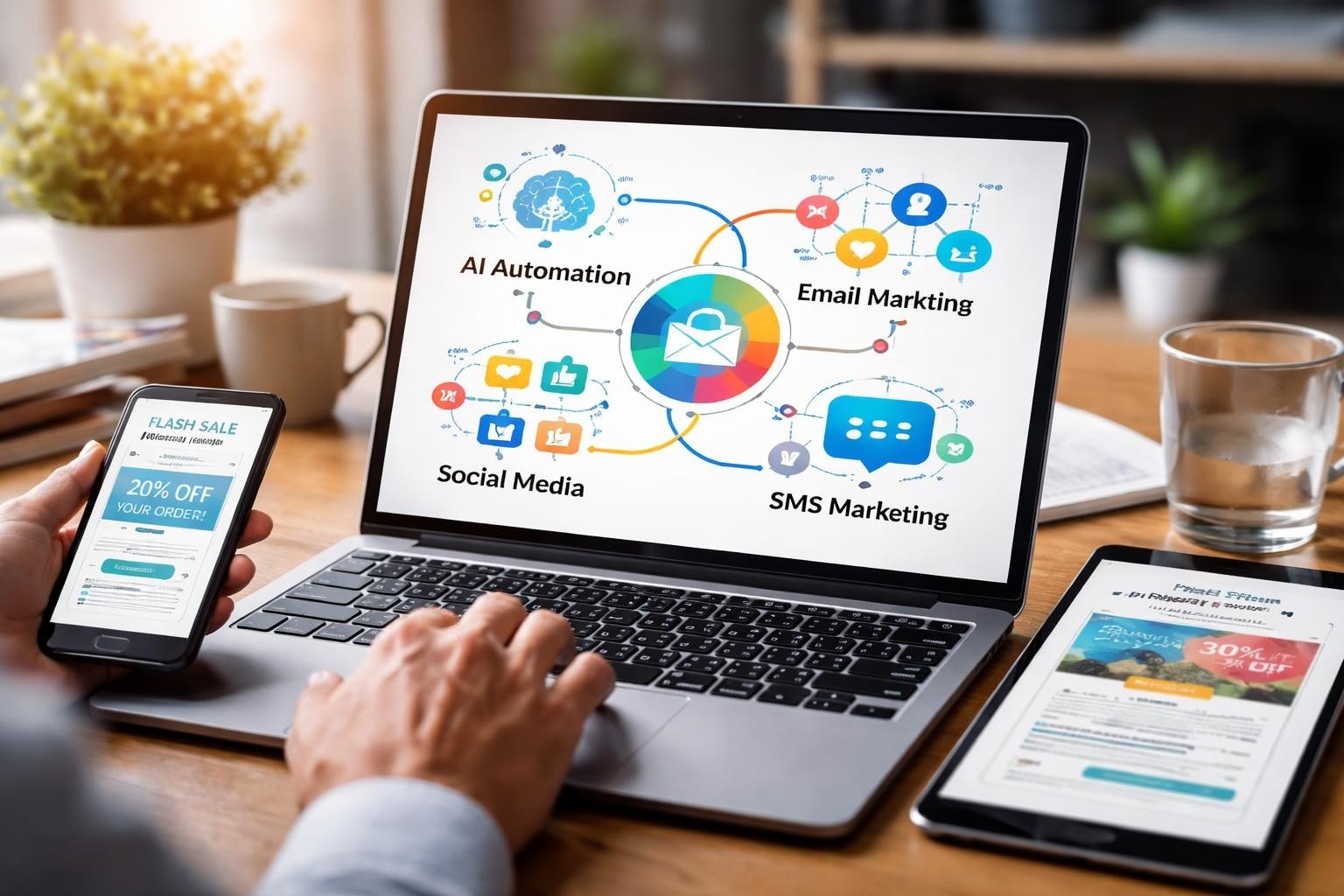
The landscape of digital marketing including advanced technologies and multi-channel strategies has transformed how businesses connect with their audiences. In 2026, successful companies recognize that isolated marketing efforts no longer deliver the results needed to compete effectively. Instead, integrated approaches that combine artificial intelligence, personalized messaging, and strategic social media engagement create powerful synergies that drive measurable growth. Understanding how these elements work together enables businesses to maximize their return on investment while building lasting customer relationships.
The Evolution of Integrated Digital Strategies
Modern digital marketing including comprehensive automation platforms represents a significant shift from traditional campaign management. Businesses now leverage interconnected systems that allow data to flow seamlessly between different channels, creating a unified view of customer interactions. This integration enables marketers to deliver consistent messaging while personalizing content based on individual preferences and behaviors.
The rise of sophisticated analytics tools has made it possible to track customer journeys across multiple touchpoints. When implementing digital marketing including email, SMS, and social media components, organizations gain insights into which channels drive the most engagement for specific audience segments. This data-driven approach eliminates guesswork and allows for continuous optimization based on real performance metrics.

Building Multi-Channel Customer Experiences
Creating seamless experiences requires understanding how different channels complement each other. Digital marketing including coordinated touchpoints ensures that customers receive relevant messages at the right time through their preferred communication methods. For example, a customer who abandons a shopping cart might receive an email reminder, followed by an SMS notification with a limited-time offer, while simultaneously seeing retargeted social media ads.
Key components of effective multi-channel strategies include:
- Unified customer profiles that aggregate data from all interaction points
- Consistent brand messaging adapted to each platform's unique characteristics
- Intelligent automation that triggers communications based on specific behaviors
- Cross-channel attribution to understand which touchpoints contribute to conversions
- Responsive design ensuring optimal experiences across devices
The emerging trends in digital marketing emphasize the importance of personalization at scale, which becomes achievable only through integrated systems that share customer intelligence across channels.
AI-Powered Automation Transforming Campaign Management
Artificial intelligence has revolutionized digital marketing including automated decision-making and predictive analytics. Machine learning algorithms analyze vast amounts of customer data to identify patterns that humans might miss, enabling more precise targeting and personalization. These systems continuously learn from campaign performance, automatically adjusting strategies to improve results over time.
Practical Applications of AI in Marketing
Modern AI tools handle numerous time-consuming tasks that previously required manual effort. Natural language processing enables chatbots to provide instant customer support, while predictive models forecast which prospects are most likely to convert. Digital marketing including AI-driven content optimization ensures that messaging resonates with specific audience segments by analyzing historical engagement patterns.
| AI Application | Primary Benefit | Impact on ROI |
|---|---|---|
| Predictive Lead Scoring | Focus resources on high-value prospects | 25-40% increase in conversion rates |
| Dynamic Content Personalization | Relevant messaging for each recipient | 20-30% improvement in engagement |
| Automated A/B Testing | Continuous optimization without manual setup | 15-25% higher campaign performance |
| Chatbot Customer Service | 24/7 support with instant responses | 30-50% reduction in support costs |
Companies implementing comprehensive AI solutions report significant improvements in campaign efficiency and customer satisfaction. The technology handles routine optimization tasks, freeing marketing teams to focus on strategic planning and creative development.
Balancing Automation with Human Creativity
While AI excels at data processing and pattern recognition, successful digital marketing including both automation and human insight delivers superior results. The most effective strategies use AI to handle repetitive tasks and provide data-driven recommendations, while marketing professionals apply creative thinking and emotional intelligence to craft compelling narratives.
Human marketers bring contextual understanding that algorithms cannot replicate. They recognize cultural nuances, anticipate market shifts, and develop innovative campaigns that capture attention in crowded digital spaces. The partnership between AI capabilities and human creativity represents the future of effective marketing.
Email and SMS Campaigns as Revenue Drivers
Despite the proliferation of new communication channels, email and SMS remain among the most cost-effective tools for digital marketing including direct customer engagement. These channels offer unparalleled control over messaging and timing, with the ability to segment audiences precisely and measure results accurately.
Email marketing delivers an average return of $42 for every dollar spent, making it one of the highest-performing channels available. When combined with SMS campaigns that boast 98% open rates, businesses create powerful touchpoints that drive immediate action. Digital marketing including coordinated email and SMS strategies ensures customers receive time-sensitive offers through channels they actively monitor.
Designing High-Converting Message Sequences
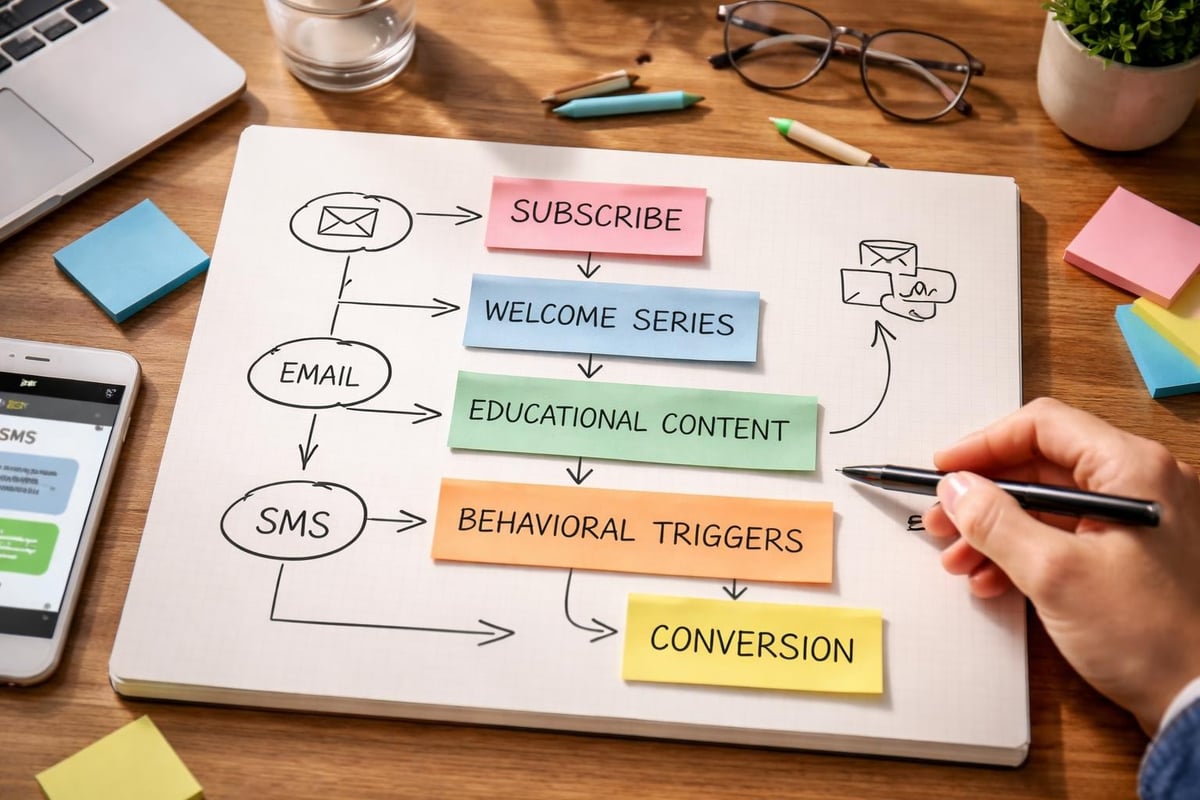
Effective email and SMS campaigns follow strategic sequences that nurture relationships over time. Rather than bombarding customers with constant promotions, sophisticated marketers develop workflows that provide value while gradually building trust and encouraging conversions.
Successful sequence strategies include:
- Welcome series introducing new subscribers to brand values and offerings
- Educational content addressing common questions and pain points
- Behavioral triggers responding to specific actions like cart abandonment
- Re-engagement campaigns winning back inactive subscribers
- Loyalty programs rewarding repeat customers with exclusive benefits
The digital marketing suite approach integrates these sequences with other marketing activities, ensuring consistent messaging across all customer touchpoints.
Compliance and Permission-Based Marketing
Digital marketing including email and SMS campaigns requires strict adherence to regulations like CAN-SPAM, GDPR, and TCPA. Building permission-based lists ensures higher engagement rates while protecting businesses from legal complications. Transparent opt-in processes and easy unsubscribe mechanisms demonstrate respect for customer preferences.
| Compliance Requirement | Best Practice | Customer Impact |
|---|---|---|
| Explicit Consent | Clear opt-in checkboxes with detailed explanations | Engaged subscribers who want communications |
| Easy Unsubscribe | One-click removal in every message | Maintained trust with non-converting prospects |
| Data Protection | Secure storage and limited access to personal information | Confidence in sharing contact details |
| Frequency Controls | Preference centers allowing customization | Reduced fatigue and higher long-term engagement |
Maintaining clean, permission-based lists improves deliverability and ensures that messages reach genuinely interested recipients who are more likely to convert.
Social Media Strategies for Authentic Engagement
Social platforms have evolved from simple broadcasting channels into complex ecosystems where digital marketing including community building and customer service drives brand loyalty. In 2026, successful social media strategies prioritize genuine connections over vanity metrics, focusing on meaningful interactions that strengthen relationships with target audiences.
The fragmentation of social media means that different platforms serve distinct purposes and attract unique demographics. Businesses must identify where their ideal customers spend time and tailor content accordingly. Digital marketing including platform-specific strategies ensures that resources are allocated efficiently rather than spreading efforts too thin across numerous channels.
Content That Resonates and Converts
Creating engaging social content requires understanding what motivates audiences to like, share, and comment. The most effective posts balance entertainment, education, and inspiration while subtly reinforcing brand values. User-generated content and behind-the-scenes glimpses humanize brands and foster authentic connections.
High-performing content types include:
- Short-form video demonstrating product benefits or sharing quick tips
- Interactive polls and questions encouraging audience participation
- Customer testimonials and success stories building social proof
- Live streams creating real-time engagement opportunities
- Educational carousels breaking down complex topics into digestible slides
The shift toward video-first strategies reflects changing consumption preferences, with users increasingly favoring dynamic visual content over static posts.
Measuring Social Media ROI
One of the biggest challenges in digital marketing including social media efforts is demonstrating tangible return on investment. While engagement metrics provide useful signals, businesses ultimately need to connect social activities to revenue generation. Advanced tracking systems attribute conversions to specific social touchpoints, revealing which platforms and content types drive the most valuable actions.
Social listening tools monitor brand mentions and sentiment across platforms, providing insights into customer perceptions and emerging trends. This intelligence informs product development, customer service improvements, and content strategies that address audience needs more effectively.
Data-Driven Decision Making and Analytics
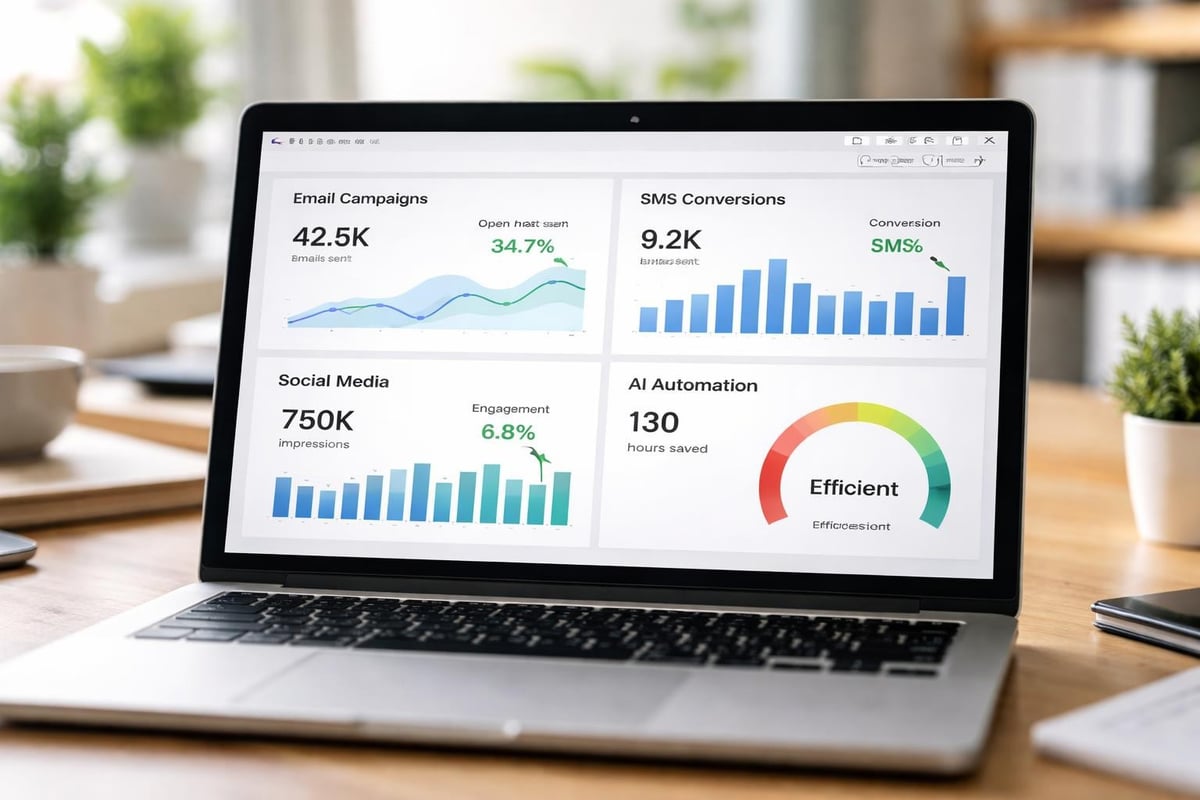
Modern digital marketing including comprehensive analytics platforms transforms raw data into actionable insights. Businesses that effectively measure performance can identify what works, eliminate wasteful spending, and double down on strategies that deliver results. The key is establishing clear metrics aligned with business objectives rather than tracking vanity numbers that don't impact the bottom line.
Attribution modeling helps marketers understand the customer journey and assign credit appropriately to different touchpoints. Digital marketing including multi-touch attribution reveals that conversions typically result from multiple interactions across various channels, rather than a single decisive moment.
Essential Metrics for Campaign Optimization
Different marketing activities require different success indicators. Email campaigns might prioritize open rates and click-through percentages, while social media strategies focus on engagement and reach. Understanding which metrics matter for each channel enables more precise optimization.
| Channel | Primary Metrics | Secondary Metrics |
|---|---|---|
| Open rate, click-through rate, conversion rate | List growth, unsubscribe rate, deliverability | |
| SMS | Delivery rate, response rate, opt-out rate | Click-through rate, conversion rate, ROI |
| Social Media | Engagement rate, reach, follower growth | Share of voice, sentiment, website traffic |
| Paid Advertising | Cost per acquisition, return on ad spend | Click-through rate, quality score, impression share |
Regular reporting cycles keep teams accountable and ensure that campaigns remain aligned with strategic goals. The latest digital marketing trends emphasize the importance of real-time analytics that enable agile adjustments based on current performance.
Personalization at Scale Through Segmentation
Generic, one-size-fits-all messaging no longer resonates with sophisticated consumers who expect brands to understand their individual needs. Digital marketing including advanced segmentation capabilities allows businesses to deliver personalized experiences to thousands or millions of customers simultaneously. By dividing audiences into groups based on shared characteristics or behaviors, marketers create targeted campaigns that speak directly to specific interests.
Segmentation Strategies That Drive Results
Effective segmentation goes beyond basic demographics to incorporate behavioral data, purchase history, and engagement patterns. Dynamic segments automatically update as customer attributes change, ensuring that messaging remains relevant over time. Digital marketing including behavioral segmentation enables businesses to trigger communications based on specific actions, creating timely interventions that guide customers toward conversion.
Powerful segmentation criteria include:
- Purchase frequency separating loyal customers from one-time buyers
- Engagement level identifying highly active versus dormant subscribers
- Product interests grouping customers by category preferences
- Lifecycle stage tailoring messages to new prospects versus established customers
- Geographic location enabling regional promotions and event invitations
Testing different segment combinations reveals which groupings produce the strongest response rates and highest conversion values.
Emerging Technologies Shaping Future Strategies
The rapid pace of technological advancement continually introduces new opportunities for digital marketing including innovative channels and tools. Forward-thinking businesses monitor emerging trends to gain competitive advantages before markets become saturated. While not every new technology proves valuable, early experimentation positions companies to capitalize on genuinely transformative developments.
Voice search optimization has become increasingly important as smart speakers proliferate in homes and vehicles. Digital marketing including voice-optimized content ensures that businesses appear in voice search results when potential customers ask questions related to their products or services. This requires adapting SEO strategies to focus on conversational queries and featured snippet optimization.
The Growth of Retail Media Networks
Retail media networks represent one of the fastest-growing advertising channels, allowing brands to reach high-intent shoppers at the point of purchase. These platforms leverage first-party data to enable precise targeting while customers are actively making buying decisions. Digital marketing including retail media placements captures demand at the crucial moment when purchase intent peaks.
The closed-loop attribution provided by retail media networks allows advertisers to measure exactly how campaigns influence sales, something traditional advertising channels struggle to demonstrate. This transparency drives increased investment as marketers seek measurable returns on advertising spend.
Building Internal Capabilities and Expertise
As digital marketing including increasingly sophisticated technologies becomes essential for business growth, organizations face decisions about building internal teams versus partnering with specialized agencies. Each approach offers distinct advantages, and many businesses find that hybrid models combining internal strategists with external specialists deliver optimal results.
Developing in-house expertise provides deep institutional knowledge and faster execution on routine tasks. Team members who understand company culture and long-term objectives can align marketing strategies with broader business goals more effectively. However, maintaining cutting-edge skills across all digital marketing disciplines requires significant ongoing training investment.
Key considerations for capability development:
- Skills assessment identifying current competencies and gaps
- Training programs keeping teams current with evolving platforms and techniques
- Technology stack selecting and integrating tools that enable efficient workflows
- Agency partnerships accessing specialized expertise for complex initiatives
- Performance benchmarks establishing standards for continuous improvement
The most successful organizations treat digital marketing capabilities as strategic assets worthy of sustained investment rather than viewing them as commodable services.
Integration With Broader Business Operations
Digital marketing including seamless connections to sales, customer service, and product development creates organizational alignment that amplifies results. When marketing insights inform product roadmaps and customer feedback shapes messaging strategies, businesses develop offerings that truly meet market needs. Breaking down silos between departments enables information sharing that benefits the entire organization.
Customer relationship management systems serve as central hubs connecting marketing activities with sales pipelines and service interactions. Digital marketing including CRM integration ensures that all customer-facing teams access the same information, preventing disjointed experiences that frustrate prospects and damage brand perception.
Aligning Marketing and Sales for Revenue Growth
The traditional handoff between marketing and sales often creates friction and missed opportunities. Digital marketing including lead nurturing workflows that gradually qualify prospects before involving sales teams improves conversion rates while respecting the time of both departments. Clear definitions of marketing-qualified and sales-qualified leads establish expectations and accountability.
Regular communication between teams ensures that marketing understands which lead characteristics predict successful closes, while sales gains insights into messaging that resonates with prospects. This feedback loop continuously refines targeting and content strategies to attract higher-quality leads.
Effective digital marketing including AI automation, targeted campaigns, and strategic social media engagement requires coordinated efforts across multiple channels and technologies. Businesses that embrace integrated approaches position themselves for sustainable growth in increasingly competitive markets. Synergy Digital Solutions specializes in creating cohesive strategies that combine email and SMS campaigns, social media management, and cutting-edge AI automations to help businesses achieve their growth objectives. Ready to transform your digital marketing performance? Contact our team to discover how we can drive measurable results for your organization.