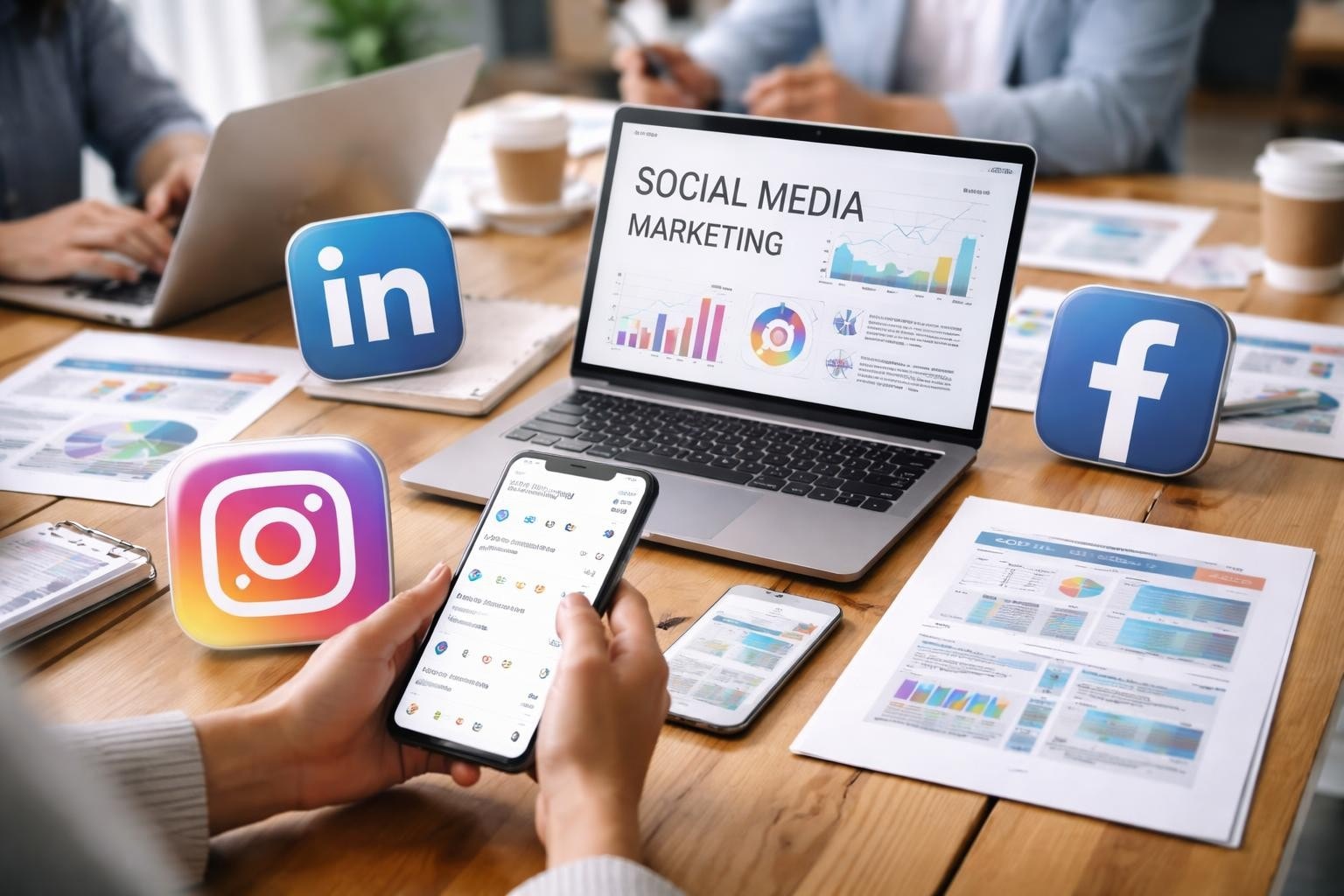
Social media inbound marketing represents a fundamental shift in how businesses attract and engage customers in the digital age. Rather than pushing promotional messages to uninterested audiences, this approach leverages valuable content and authentic engagement on social platforms to draw prospects naturally toward your brand. As we navigate 2026, the convergence of social media and inbound methodology has become essential for businesses seeking sustainable growth. Companies that master this integration create communities, build trust, and convert followers into loyal customers through strategic content distribution and meaningful interactions.
Understanding Social Media Inbound Marketing Fundamentals
Social media inbound marketing focuses on creating and sharing content that addresses your audience's needs, questions, and pain points. This approach transforms social platforms from broadcasting channels into conversation hubs where prospects discover solutions and build relationships with brands.
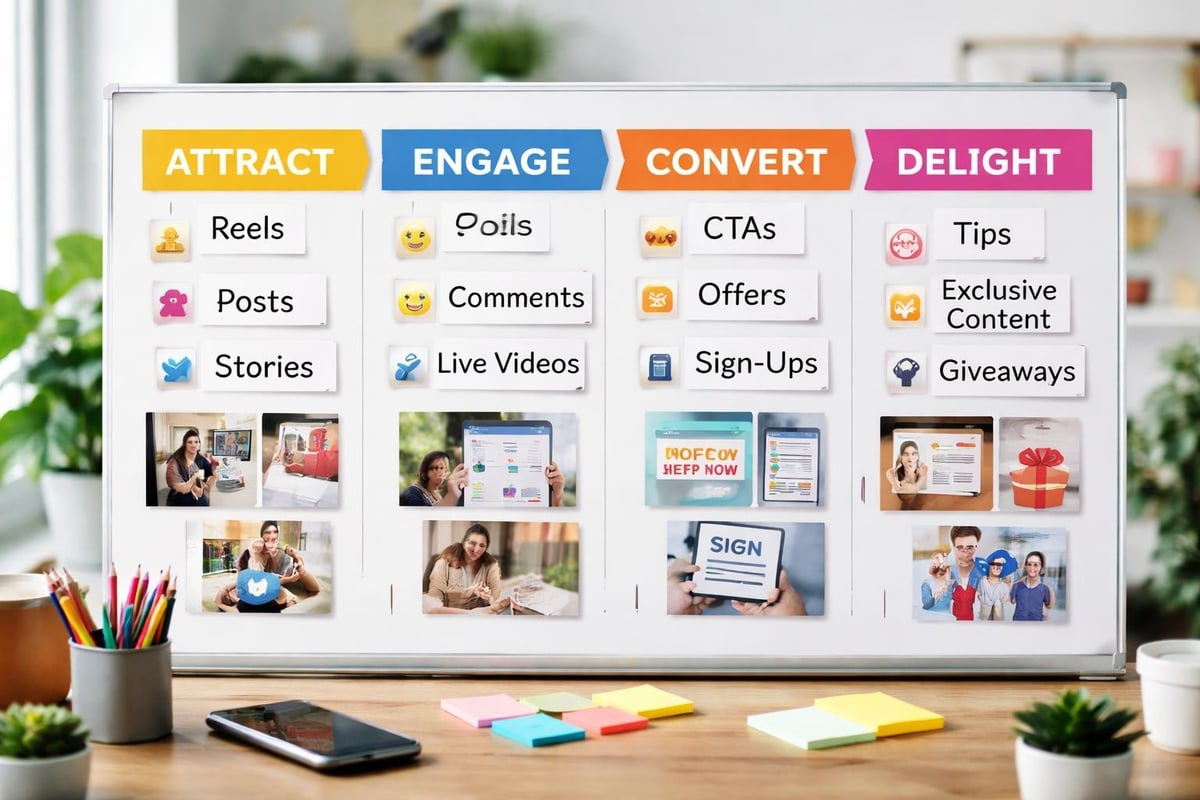
The methodology rests on four key pillars: attract, engage, convert, and delight. Social platforms excel at each stage, offering unique opportunities to connect with audiences at different points in their buyer's journey.
Core components include:
- Educational content that solves problems and answers questions
- Authentic engagement through comments, messages, and community interactions
- Strategic content distribution across multiple platforms
- Data-driven optimization based on analytics and performance metrics
- Community building that fosters brand advocacy
Traditional outbound marketing interrupts people with ads and cold outreach. Social media in inbound marketing strategy works differently by attracting prospects who are actively seeking solutions or exploring relevant topics.
The Evolution of Social Media's Role
Social platforms have evolved from simple networking sites to sophisticated business tools. In 2026, they function as search engines, customer service channels, content distribution networks, and commerce platforms simultaneously.
This evolution has made social media integral to inbound strategies. Prospects research brands, read reviews, and make purchasing decisions based on social presence and community engagement. Your social channels often provide the first impression and ongoing touchpoints throughout the customer journey.
Developing a Strategic Content Framework
Content forms the foundation of social media inbound marketing success. Your content strategy must balance educational value with brand personality while addressing specific audience needs at different journey stages.
Identifying Audience Pain Points and Interests
Effective social media inbound marketing begins with deep audience understanding. Research your target personas through social listening, customer interviews, and analytics review. Identify recurring questions, challenges, and topics that generate engagement within your industry.
Create content clusters around these themes. If you're targeting marketing directors, develop content addressing budget optimization, team productivity, measurement frameworks, and emerging technologies like AI automation solutions.
| Content Type | Purpose | Platform Fit | Frequency |
|---|---|---|---|
| Educational posts | Build authority | LinkedIn, Twitter | 3-5 weekly |
| Case studies | Demonstrate results | LinkedIn, Facebook | 1-2 weekly |
| Quick tips | Provide immediate value | Instagram, Twitter | Daily |
| Industry insights | Spark conversation | LinkedIn, Twitter | 2-3 weekly |
| Behind-the-scenes | Humanize brand | Instagram, Facebook | 2-3 weekly |
Creating Platform-Specific Content
Each social platform has unique characteristics, audience behaviors, and content preferences. LinkedIn users seek professional insights and B2B solutions, while Instagram audiences engage with visual storytelling and brand personality.
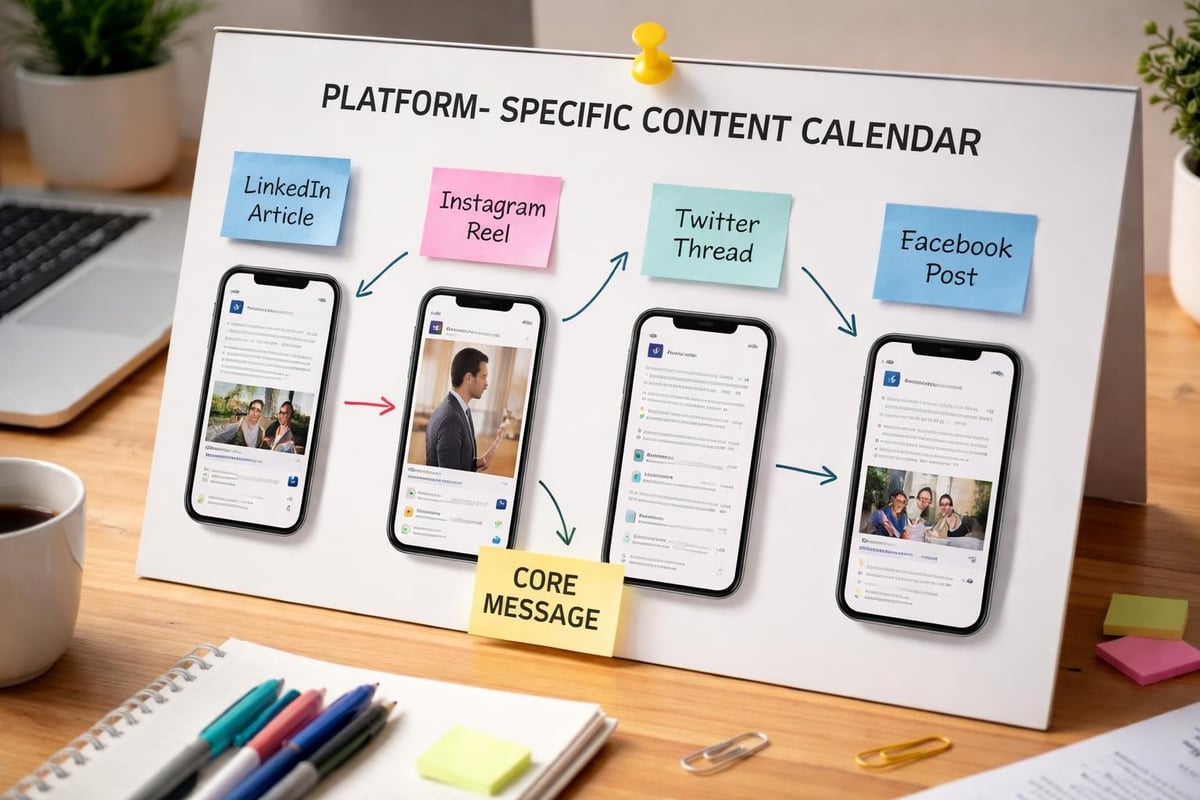
Adapt your core messages to platform-specific formats. A comprehensive guide about email marketing automation might become a LinkedIn article, an Instagram carousel, a Twitter thread, and a Facebook video series. This repurposing maximizes content investment while respecting platform norms.
The key is maintaining consistent messaging while tailoring presentation. Your digital marketing suite capabilities can be showcased through different lenses depending on where your audience engages.
Building Engagement Through Authentic Interaction
Social media inbound marketing succeeds when brands prioritize genuine conversation over broadcast messaging. Engagement metrics directly correlate with content reach and conversion potential.
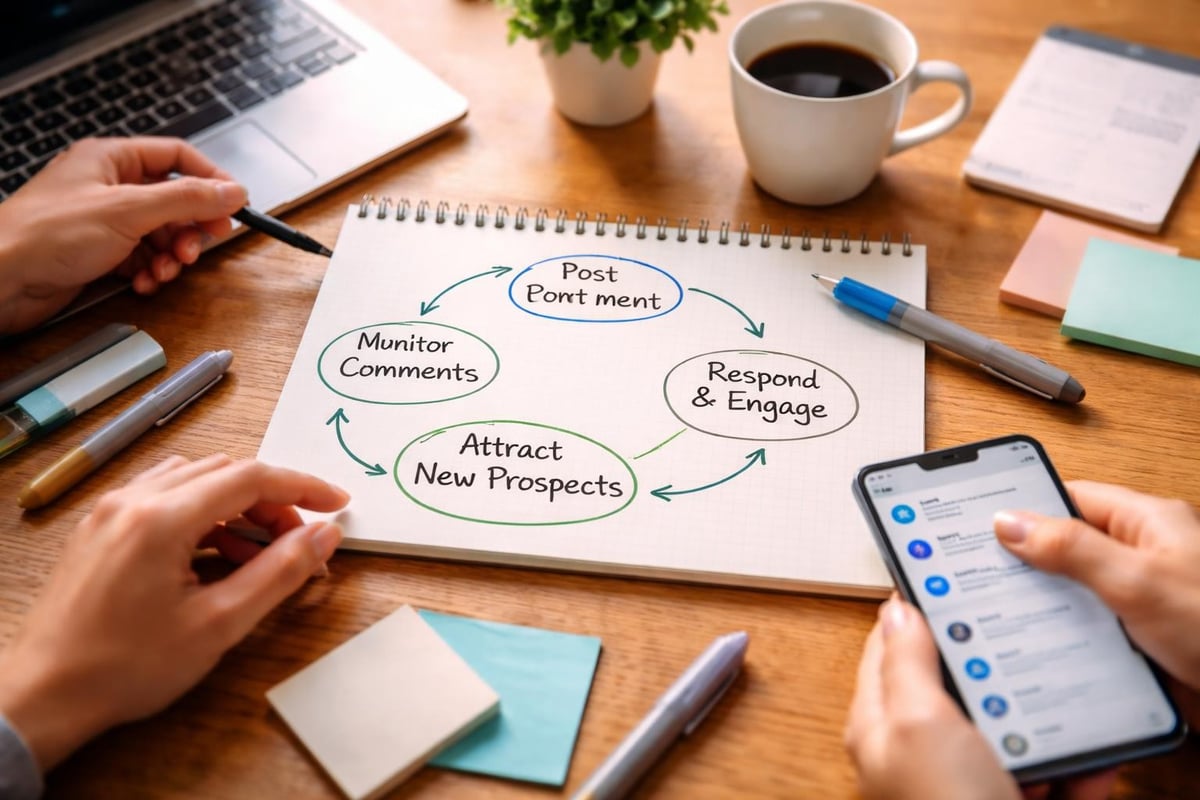
Response time matters significantly. Prospects expect acknowledgment within hours, not days. Implement monitoring systems to track mentions, comments, and messages across platforms. Assign team members to engagement responsibilities with clear response protocols.
Engagement best practices include:
- Responding to comments within 2-4 hours during business hours
- Asking questions that encourage audience participation
- Acknowledging and sharing user-generated content
- Joining relevant conversations using hashtags and trends
- Creating polls and interactive content formats
Using social media for effective inbound marketing requires consistency in both posting and engagement. Algorithms favor accounts that maintain active conversations, expanding organic reach.
Leveraging Social Listening for Strategy Refinement
Social listening extends beyond monitoring brand mentions. Track industry keywords, competitor activities, and trending topics within your niche. This intelligence informs content creation and identifies emerging opportunities.
Tools for social listening capture sentiment, identify influencers, and reveal gaps in market conversations. When you notice recurring questions or frustrations, create content addressing those specific issues. This responsive approach demonstrates that you understand and care about audience needs.
Converting Social Audiences Into Qualified Leads
Attraction and engagement create opportunities, but conversion requires strategic design. Social media inbound marketing generates leads through clear pathways from social interaction to valuable offers.
Crafting Compelling Offers and Lead Magnets
Every piece of social content should align with a conversion goal. Not every post requires a hard sell, but your overall strategy must include clear pathways to lead capture.
Develop gated content that provides exceptional value in exchange for contact information. eBooks, templates, toolkits, webinars, and assessments work particularly well. Promote these offers through organic posts, pinned content, and social-specific landing pages.
Link shorteners and UTM parameters enable precise tracking of social media traffic and conversion rates. Analyze which platforms, post types, and topics generate the highest-quality leads. Double down on what works while testing new approaches.
Optimizing Landing Pages for Social Traffic
Social media visitors have different mindsets than search engine users. They're often in discovery mode rather than ready-to-buy mode. Landing pages for social traffic should emphasize value, minimize friction, and continue the conversation started on social platforms.
Keep forms short, typically requesting only name and email for initial offers. Match landing page messaging and design to the originating social post for consistency. Include social proof like testimonials and case studies to build credibility.
Mobile optimization is non-negotiable. Over 70% of social media usage occurs on mobile devices in 2026. Test landing pages across devices and connection speeds to ensure seamless experiences.
Integrating Social Media With Broader Inbound Efforts
Social media inbound marketing delivers maximum impact when integrated with other inbound channels. Email marketing, content marketing, and AI automation work synergistically with social strategies.
Social media and inbound marketing create a powerful combination when search engine optimization, content creation, and social distribution align. Social signals may not directly impact SEO rankings, but they amplify content reach, attract backlinks, and drive traffic that search engines recognize.
Integration strategies include:
- Email and social synchronization – Promote email signup through social channels and share social content in newsletters
- Content hub and social distribution – Create comprehensive blog content and distribute key insights through social posts
- Retargeting campaigns – Use social media ads to re-engage website visitors and email subscribers
- Cross-channel nurturing – Guide prospects through multiple touchpoints across social, email, and web properties
- Unified analytics – Track customer journeys across channels to understand true attribution
Measuring Success Across Touchpoints
Attribution in social media inbound marketing presents challenges because prospects interact with multiple touchpoints before converting. Implement tracking that captures the complete journey rather than relying on last-click attribution.
Key metrics extend beyond vanity numbers like follower counts. Monitor engagement rates, click-through rates, lead generation volume, lead quality scores, and customer acquisition costs attributed to social channels.
| Metric Category | Key Indicators | Why It Matters |
|---|---|---|
| Reach | Impressions, follower growth | Measures awareness expansion |
| Engagement | Comments, shares, saves | Indicates content relevance |
| Traffic | Click-through rate, website visits | Shows interest level |
| Conversion | Leads generated, conversion rate | Demonstrates business impact |
| Retention | Return visitors, repeat engagement | Reveals relationship strength |
Leveraging Platform-Specific Features for Growth
Each social platform continuously introduces features designed to increase engagement and time on platform. Early adoption of new features often receives algorithmic preferential treatment.
Maximizing LinkedIn for B2B Marketing
LinkedIn remains the premier platform for B2B social media inbound marketing. Publishing long-form articles positions thought leadership, while native posts generate discussions among professional audiences.
LinkedIn's algorithm prioritizes content that sparks conversations. Posts with questions, controversial (but professional) opinions, and authentic personal stories typically outperform corporate announcements. Encourage employees to engage with and share company content to expand reach through their networks.
LinkedIn Live, newsletter features, and document posts offer diverse content formats. Test these options to identify what resonates with your specific audience.
Instagram and Visual Storytelling
Instagram excels at building brand personality and showcasing company culture. Stories, Reels, and carousel posts each serve distinct purposes in your social media inbound marketing strategy.
Stories create daily touchpoints and feel more personal than feed posts. Use them for behind-the-scenes content, quick tips, and driving traffic to time-sensitive offers. Reels reach beyond your existing followers, introducing your brand to new audiences through algorithm-driven discovery.
Twitter for Real-Time Engagement
Twitter's fast-paced environment suits breaking news, industry commentary, and rapid-response engagement. Threads allow deeper exploration of topics while maintaining Twitter's conversational nature.
Participate in relevant Twitter chats and trending conversations to increase visibility. Strategic hashtag use expands reach beyond your follower base, connecting with prospects actively exploring specific topics.
Automating and Scaling Social Media Efforts
As social media inbound marketing matures, automation becomes essential for maintaining consistency without overwhelming resources. Smart automation enhances human efforts rather than replacing authentic engagement.
Scheduling and Publishing Automation
Content calendars and scheduling tools ensure consistent presence across platforms. Plan content themes monthly, create assets weekly, and schedule posts to publish at optimal times based on audience activity patterns.
However, scheduling should never eliminate real-time responsiveness. Reserve time daily for live engagement, trending topic participation, and spontaneous content creation. The most successful social media content to inbound marketing balances planned strategy with timely relevance.
AI-Powered Personalization and Insights
Artificial intelligence transforms social media inbound marketing through advanced analytics, content recommendations, and personalization at scale. AI tools analyze engagement patterns, predict optimal posting times, and suggest content topics based on audience interests.
Chatbots handle initial inquiries on platforms like Facebook Messenger, qualifying leads and routing complex questions to human team members. This automation ensures 24/7 responsiveness while freeing your team for higher-value interactions.
Natural language processing helps identify sentiment in comments and messages, flagging urgent issues and highlighting opportunities for deeper engagement. These capabilities allow smaller teams to manage sophisticated social strategies effectively.
Creating Community and Brand Advocacy
The ultimate goal of social media inbound marketing extends beyond lead generation to community building. Engaged communities generate user-generated content, provide testimonials, and refer new customers organically.
Social media the key to inbound marketing success lies in fostering these authentic relationships that transcend transactional interactions.
Community-building tactics include:
- Creating branded hashtags for customer stories and content
- Featuring customer spotlights and success stories
- Hosting virtual events like webinars and Twitter chats
- Developing exclusive groups for customers and prospects
- Recognizing and rewarding active community members
Facebook Groups and LinkedIn Groups provide dedicated spaces for community development. These environments encourage peer-to-peer interaction, with your brand serving as facilitator rather than constant promoter.
Encouraging User-Generated Content
User-generated content serves multiple purposes in social media inbound marketing. It provides authentic social proof, reduces content creation burden, and deepens customer relationships.
Encourage customers to share experiences through contests, campaigns, and simple requests. Always seek permission before repurposing customer content, and provide proper attribution. Celebrating customer success demonstrates that you value relationships beyond initial sales.
Adapting to Algorithm Changes and Platform Evolution
Social platforms constantly evolve their algorithms, features, and policies. Successful social media inbound marketing requires agility and diversification to weather these changes.
Avoid over-dependence on any single platform. Build presence across multiple channels so algorithm changes or platform declines don't devastate your entire strategy. Own your audience relationships by converting social followers into email subscribers and website visitors.
Stay informed about platform updates through official blogs, industry publications, and digital marketing communities. Test new features early, but don't abandon proven tactics without data supporting the shift.
Balancing Organic and Paid Strategies
Organic reach has declined across most platforms as social networks prioritize paid advertising. Why social media important part of inbound marketing includes understanding how paid amplification extends organic content performance.
Strategic paid promotion of top-performing organic content maximizes ROI. Boost posts that already demonstrate strong engagement, using paid reach to expand beyond your existing audience. This approach combines inbound methodology with strategic paid distribution.
Retargeting ads keep your brand visible to website visitors and engaged social followers, nurturing them toward conversion without aggressive sales tactics. These ads work particularly well when promoting valuable content offers rather than direct sales messages.
Developing a Sustainable Content Creation System
Consistency challenges many social media inbound marketing efforts. Sporadic posting and long silent periods damage credibility and algorithm performance. The ultimate guide to using social media for inbound marketing emphasizes sustainable systems over occasional bursts of activity.
Content batching improves efficiency. Dedicate specific time blocks to creating multiple posts, rather than creating content daily. Theme days simplify planning by establishing consistent content patterns that audiences anticipate.
Repurpose existing assets into social content. Extract quotes from blog posts, create graphics from statistics, and develop short videos from webinar recordings. This approach maximizes content investment while maintaining fresh social presence.
Building a Content Library and Asset Repository
Organize created content in accessible libraries that enable quick retrieval and repurposing. Tag assets by topic, format, platform, and campaign for easy searching. Evergreen content can be reshared periodically, especially if it performed well initially.
Templates for common post types accelerate creation while maintaining brand consistency. Develop templates for customer spotlights, tips, announcements, and educational posts. These frameworks ensure quality while reducing creation time.
Social media inbound marketing represents the intersection of authentic relationship building and strategic business growth in 2026. By focusing on valuable content, genuine engagement, and integrated multi-channel approaches, businesses transform social platforms into powerful lead generation and community-building engines. Synergy Digital Solutions specializes in crafting comprehensive digital marketing strategies that unite social media, email campaigns, and AI-powered automation to drive measurable results for businesses navigating the evolving digital landscape.